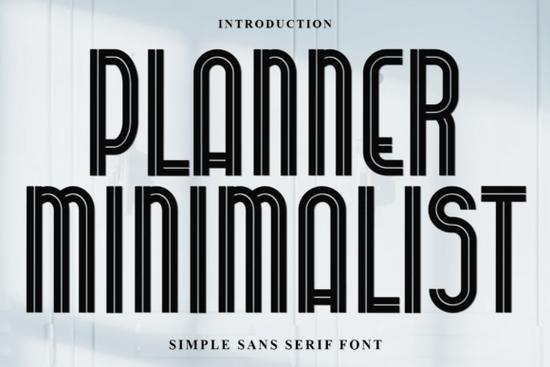
Finding the right typography means balancing readability with personality. If you are working on stationery, lifestyle branding, or personalized gifts, the Planner Minimalist Font offers a soft, natural lettering style that fits perfectly into these niches. Designed with distinctive strokes and a unique touch, this typeface gives your text a meaningful character without feeling overly complicated. Whether you are a print-on-demand seller creating daily organizers or a hobbyist making custom wedding invitations, having a versatile typeface in your toolkit saves time and keeps your branding consistent.
What makes this typeface stand out for crafters and small businesses?
Crafters and small business owners need typography that looks professional yet approachable. This typeface delivers a clean, organic look that pairs beautifully with handmade goods, boutique labels, and artisan packaging. The strokes are carefully drawn to feel human and natural, which helps build a personal connection with your audience.
When you are designing products for a specific niche, the mood of your text matters just as much as the words themselves. If you are looking for something slightly more vibrant for a children's product line, you might explore a playful storybook style instead. But for minimalist planners, skincare labels, and modern home decor, this softer approach keeps the focus on the product itself.
Which projects work best with a soft, natural lettering style?
This versatile typeface adapts well to many creative tasks. Here are a few ways makers use it:
- Daily and weekly planners: The clean lines make it easy to read on notebook covers and interior monthly spreads.
- Apparel and tote bags: Print-on-demand sellers use it for short, impactful quotes on t-shirts and canvas bags.
- Wedding and event stationery: The elegant, understated strokes work beautifully for save-the-dates and menu cards.
- Social media graphics: It adds a polished, boutique feel to Instagram quotes and Pinterest pins.
If your current project requires a bolder, more rugged aesthetic for an outdoor brand, you might want to look into a rustic western typeface to better match the theme. Alternatively, for high-energy sports merchandise, an athletic and dynamic lettering style will give you the heavy visual weight you need.
How do you install and use it across different design software?
Modern typography is easy to integrate into your existing workflow. This font is fully compatible with Windows and works seamlessly across open-source platforms and standard design software.
Once you download the files, installing it is just a matter of right-clicking the file and selecting install on your operating system. After that, it will automatically populate in programs like Adobe Illustrator, Canva, Cricut Design Space, and Silhouette Studio.
For crafters using cutting machines, always remember to weld or unify your text before sending it to the mat. This ensures the distinctive strokes cut cleanly without overlapping lines. If you are setting up a large banner and need something highly legible from a distance, pairing it with a clean and modern display typeface for the main headline can create a nice visual hierarchy.
What should you consider when pairing it with other typography?
Mixing typefaces requires contrasting styles. Since this font has a soft, unique touch, it pairs best with simple, structured sans-serif fonts for your body text.
Let the minimalist typeface handle the headlines, names, or short phrases, and use a basic, highly readable font for the smaller details like dates, addresses, or product descriptions. If you are designing a poster and need a secondary font that grabs attention without clashing, a bold and expressive lettering option can help highlight specific call-to-action words.
How can you ensure your final design looks professional?
Before you export your files or send your design to the printer, run through this quick checklist to make sure your typography is ready for production:
- Test the scale: Print a sample at the actual size to ensure the distinctive strokes remain clear and legible on physical materials.
- Check the kerning: Adjust the spacing between letters manually, especially for uppercase words, to keep the natural flow intact.
- Mind the contrast: Use high-contrast colors, like dark charcoal on cream, to make the soft lines pop on physical products.
- Unify for cutting: If using a vinyl cutter, weld the letters together so the machine reads it as a single continuous shape.
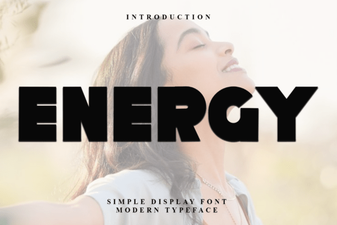 Creative Project Ideas Using Energy Font
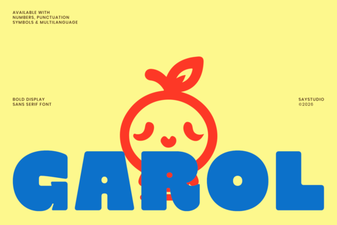 The Garol Font: Creative Uses for Your Design Projects
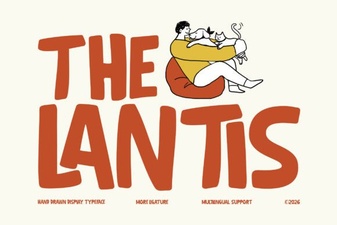 A Modern Typographic Style Guide
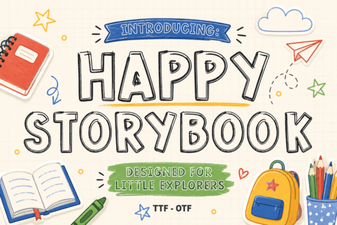 Happy Storybook Font: Create Playful & Readable Designs
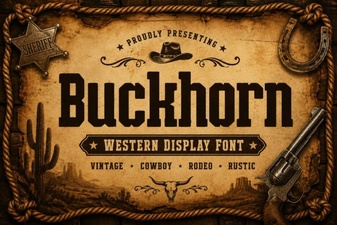 Craft Projects with Buckhorn Font's Western Charm
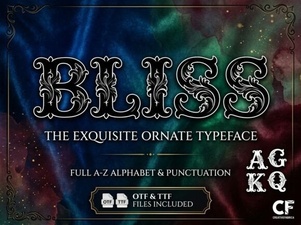 Bliss Font: Design Tips for Modern Projects