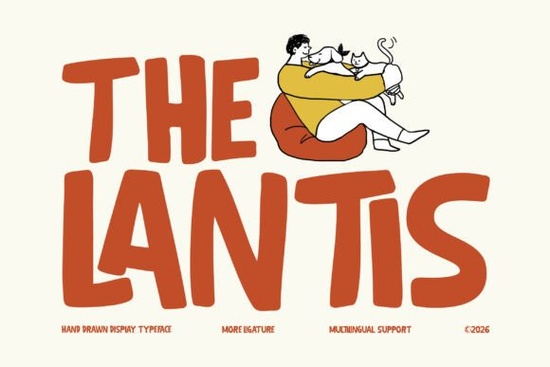
Finding the right typography for a creative project often means looking beyond standard geometric sans-serifs. When you want your design to feel approachable and genuinely human, a hand-lettered style usually does the trick. This is exactly where The Lantis Font works perfectly. It is a unique display typeface built with organic letterforms and playful imperfections, giving your artwork a bold, charming personality right out of the box.
What makes hand-drawn lettering effective for small businesses?
Small business owners and indie makers need their branding to stand out on crowded social media feeds and market stalls. Standard corporate fonts can sometimes feel too rigid for a boutique coffee shop, a handmade candle line, or a local craft bakery. A typeface with handcrafted details adds a personal touch that tells customers a real person is behind the brand. The slightly uneven baselines and natural curves in this style of lettering mimic actual pen strokes, making logos and packaging feel much more authentic. If you are building a brand identity from scratch, mixing this kind of expressive text with a clean, structured typeface perhaps something similar to the minimalist aesthetic found in planner designs creates a beautiful visual contrast that keeps your layout readable.
How do print-on-demand sellers use expressive typography?
For those selling custom apparel, tote bags, or enamel pins, the font is just as important as the illustration. Shoppers buying personalized gifts or quirky graphic tees are drawn to designs that feel custom and artistic. Because this typeface features distinctive, organically drawn shapes, it works wonderfully for short, punchy phrases on merchandise. You do not need to add heavy graphics to make the design pop; the letterforms do the heavy lifting.
When designing for print, remember to check the kerning. Hand-drawn fonts often have unique spacing needs because of their irregular shapes. If you want to explore other quirky options for your print-on-demand catalog, you might also look at the playful lettering seen in jellywink projects to see how different letter weights and spacing affect the final printed result.
What are the best ways to pair this font with other typefaces?
Using a highly stylized display font for every single word in a design will make your layout hard to read. The golden rule of typography is balance. Use the hand-drawn style for your main headline, brand name, or a short focal quote. Then, switch to a highly legible font for the supporting text, like ingredients on a product label or a website's body copy.
If you need a slightly more structured but still creative secondary font, checking out the typography choices in garol layouts can give you some solid pairing ideas. Alternatively, if your project leans toward a more modern, edgy vibe, you might contrast the soft curves of your main text with the sharper angles seen in web crypt designs. The goal is to let your main headline be the star while the supporting text quietly guides the reader's eye.
How can crafters use this style for DIY projects?
Creative hobbyists and scrapbookers often look for digital assets that mimic the look of physical journaling. Whether you are designing custom wedding invitations, making handmade greeting cards, or creating digital planner stickers, an authentic handwritten look adds warmth to your pages.
You can use this typeface to create custom vinyl decals for water bottles or car windows. Just make sure to weld the overlapping letters in your cutting software before sending the design to your machine, otherwise the blade will cut through the intersecting lines. For a softer, more romantic project, you could also borrow styling cues from the elegant curves typical of bliss typography to mix and match different moods within a single craft collection.
What should you check before exporting your final design?
Before you send your artwork to the printer, the web, or your vinyl cutting machine, run through this quick checklist to ensure your typography looks professional:
- Convert text to outlines: Always expand your fonts into vector shapes before sending files to a commercial printer to avoid missing font errors.
- Adjust manual kerning: Look closely at awkward letter combinations, especially where a tall letter meets a curved one, and adjust the spacing manually.
- Check the hierarchy: Ensure your hand-drawn headline is significantly larger than your body text so the reader knows exactly where to look first.
- Verify your license: Double-check that your current license covers your specific use case, especially if you are selling physical products featuring the font.
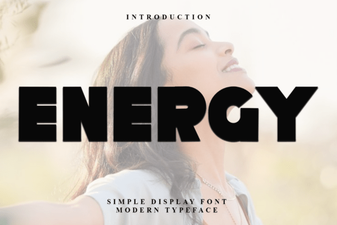 Creative Project Ideas Using Energy Font
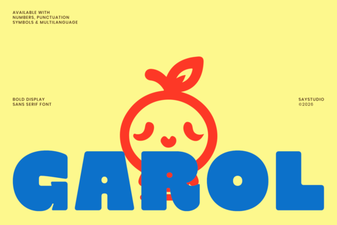 The Garol Font: Creative Uses for Your Design Projects
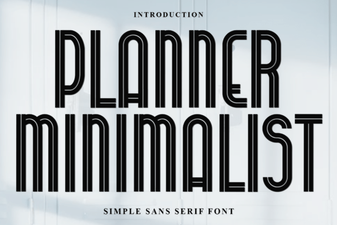 Minimalist Fonts for Clean Planner Designs
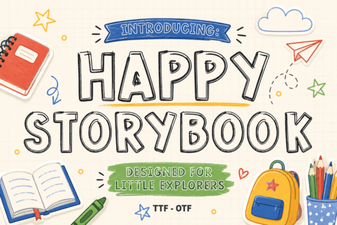 Happy Storybook Font: Create Playful & Readable Designs
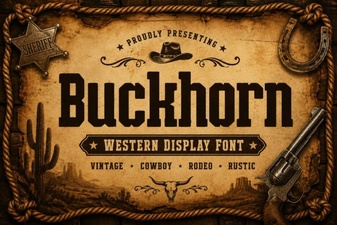 Craft Projects with Buckhorn Font's Western Charm
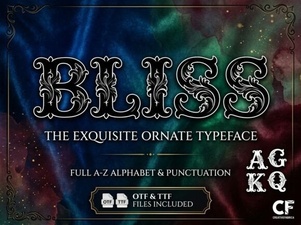 Bliss Font: Design Tips for Modern Projects