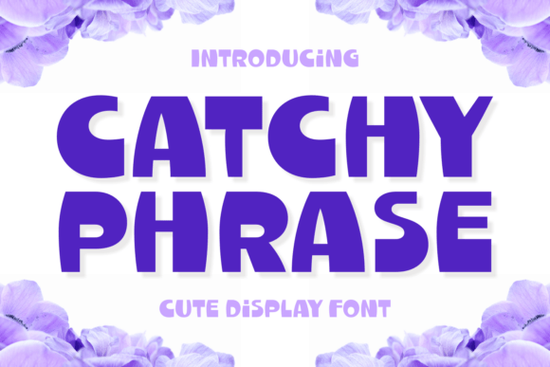
Finding the right typography for playful projects can be tricky. You want something that feels fun without looking messy or unprofessional. The Catchy Phrase Font solves this by offering a chunky, comic book-inspired style that works beautifully for children's books, apparel, and cheerful branding. Its clean lines and expressive characters make it a reliable choice for designers and crafters who need a versatile display typeface. Whether you are making an Easter greeting card or designing a new line of T-shirts, this lettering brings a joyful, authentic charm to your work.
What projects work best with chunky cartoon typography?
When you are designing merchandise for a younger audience or creating vibrant packaging, readability and personality are key. This typeface shines on product labels, magazine layouts, and heartwarming invitations. Because the letters are thick and stylized, they naturally draw the eye, making them perfect for short titles and quotes. If you are working on a more geometric or modern layout, you might pair it with something like these clean geometric display styles for your subheadings to maintain a balanced visual weight. For high-energy sports or summer camp flyers, combining it with bold athletic lettering creates a nice visual contrast that keeps the reader engaged without overwhelming the page.
How do you pair playful display letters with body text?
A common mistake in graphic design is using too many decorative fonts in one layout. Since your main title already has a lot of character, your supporting text should be simple and easy to read. If your project has a tech or modern vibe, a monospaced digital typeface can provide a cool, structured contrast to the rounded, bouncy letters. On the other hand, if you are designing a rustic or outdoor-themed poster, balancing the playful title with a rugged western slab serif grounds the design and gives it a more mature feel. The goal is to let your main title stand out while ensuring the rest of your information is highly legible.
Is this typeface suitable for multilingual branding?
Yes, one of the most practical features of this font is its multilingual support. Small businesses and international sellers often need to translate their packaging or marketing materials without losing their brand identity. Having a typeface that supports various character sets ensures your logotypes and quotes look consistent across different languages. This is especially useful for print-on-demand sellers who list their products on global marketplaces. If you ever need to switch to a lighter, more minimalist aesthetic for a specific regional campaign, exploring airy and modern sans-serif options can give your secondary brand materials a clean, updated look while keeping your primary branding intact.
What are the best software settings for comic-style lettering?
Getting the most out of expressive typography requires a few adjustments in your design software. Because the letters are thick, tight kerning can make them look cluttered and hard to read. Here are a few technical adjustments to improve your layouts:
- Increase tracking slightly: Give the chunky characters room to breathe, especially when setting text in all-caps.
- Use high-contrast colors: The vivid Eastern European summer vibe pairs well with bright yellows, deep blues, and vibrant reds.
- Add a subtle drop shadow: A hard, offset shadow enhances the comic book feel without making the text look muddy or overly complex.
- Keep line spacing generous: Thick fonts need more vertical space, known as leading, to prevent the ascenders and descenders from overlapping.
For more detailed advice on structuring your text blocks and improving readability, reading up on typography fundamentals will help you balance your playful titles with your body copy.
How to prepare your files for print and digital use
Before sending your designs to a printer, make sure your files are properly formatted. For print-on-demand apparel, always outline your text. This converts the letters into vector shapes, ensuring the printer sees exactly what you designed, even if they lack the font. For digital use, export your text as a high-resolution PNG with a transparent background, or use SVG formats to keep the edges crisp on all screens.
Next steps for your design project
Before finalizing your current project, run through this quick checklist to ensure your typography is ready for production:
- Check your spelling and grammar, as fixing typos after outlining text requires re-typing the entire word.
- Review the kerning on specific letter pairs, like "A" and "V", to ensure there are no awkward gaps.
- Test your color choices on both a calibrated monitor and a mobile device to ensure the contrast is strong enough for readability.
- Save a backup copy of your working file with the text still editable before you outline or rasterize the final version.
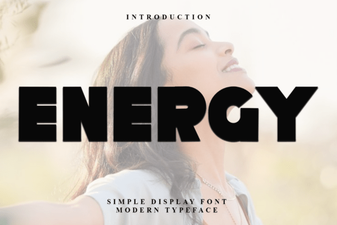 Creative Project Ideas Using Energy Font
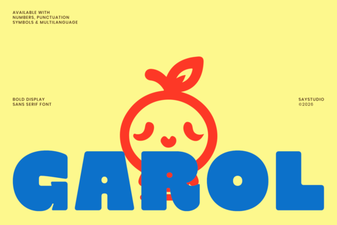 The Garol Font: Creative Uses for Your Design Projects
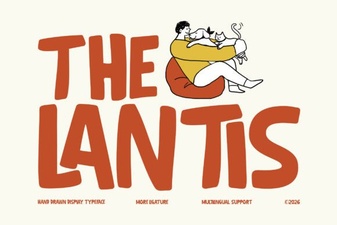 A Modern Typographic Style Guide
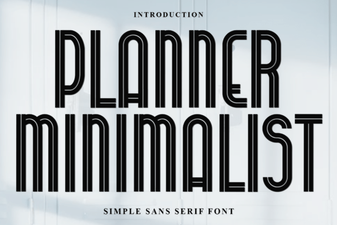 Minimalist Fonts for Clean Planner Designs
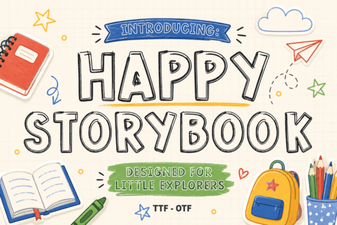 Happy Storybook Font: Create Playful & Readable Designs
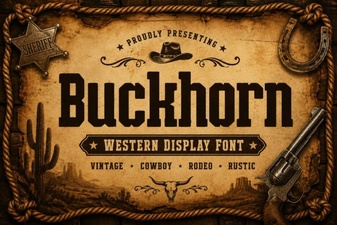 Craft Projects with Buckhorn Font's Western Charm