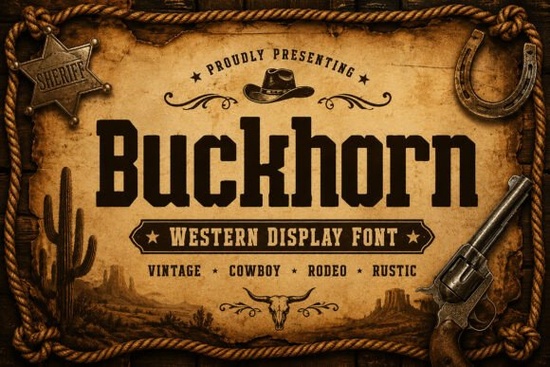
If you are designing a logo for a craft brewery, a label for a small-batch hot sauce, or a poster for a local rodeo, you need typography that immediately communicates a rugged, authentic vibe. The Buckhorn Font is a bold western display typeface built exactly for this purpose. Inspired by vintage saloon signage and classic cowboy culture, it features a strong slab-style structure with sharp edges that give your projects a genuine frontier feel.
What makes a good western typeface for branding?
When building a brand around Americana or rustic themes, the lettering needs to feel sturdy and historical. Buckhorn achieves this through its thick, blocky strokes and slightly weathered character. Unlike softer, more playful options you might find when browsing a whimsical lettering collection, this typeface relies on heavy, grounded shapes. This makes it highly readable even when scaled down for product packaging or stamped onto leather goods. Small businesses creating masculine branding or outdoor apparel will find that these thick slab serifs hold up beautifully on textured backgrounds like kraft paper or wood grain.
How can print-on-demand sellers use rustic fonts?
For crafters and print-on-demand sellers, choosing the right typography can be the difference between a design that sells and one that gets ignored. Rustic fonts work exceptionally well on graphic tees, enamel mugs, and canvas tote bags. Because this typeface has such a strong visual weight, it works best as the main focal point of your design. Try using it for short, punchy phrases or single-word statements. If you need a softer, more delicate look for a contrasting subtitle, you might want to explore a smooth and elegant alternative to balance the heavy western letters.
Which projects work best with slab-style display letters?
Display typefaces with a heavy, structural feel are incredibly versatile for specific niche markets. Here are a few ways designers and hobbyists are using this style of lettering:
- BBQ and Food Packaging: The bold, rustic edges look great on sauce bottles, rub containers, and food truck menus.
- Country Music and Event Flyers: It captures the classic honky-tonk aesthetic perfectly for gig posters and festival lineups.
- Whiskey and Craft Beer Labels: The vintage saloon vibe adds an old-school, artisanal touch to beverage branding.
- Ranch and Farm Logos: The sturdy slab serifs communicate reliability and a deep connection to the land.
When you need something highly energetic for a sports team or a fitness brand, you would typically reach for an action-packed lettering style, but for heritage and outdoor brands, a western slab is the clear winner.
What should you pair with a bold cowboy typeface?
Pairing fonts correctly is essential for a clean, professional layout. Because this western typeface is so detailed and visually heavy, it needs to be balanced with simpler, cleaner fonts for your body copy. Avoid using two heavy display fonts together, as this will make your design look cluttered and difficult to read. Instead, pair it with a simple sans-serif or a classic, highly legible serif for paragraphs and fine print. If your project requires a highly conversational or informal secondary font, you could look into a friendly narrative typeface for small accents, though a clean sans-serif is usually the safest bet for commercial packaging. For short, memorable taglines placed just below the main logo, a punchy script or bold sans can add a nice secondary layer of interest without competing with the main header.
Next steps for your western design project
Before you finalize your artwork and send it to the printer, run through this quick checklist to ensure your typography looks its best:
- Convert to outlines: Always convert your text to vector shapes before sending files to a commercial printer to avoid missing font errors.
- Check the kerning: Display fonts often need manual spacing adjustments. Tighten the gaps between letters slightly to make the words feel more cohesive.
- Test the contrast: Print a black-and-white test page to ensure the thick strokes don't bleed together and fill in the negative space at smaller sizes.
- Limit your usage: Restrict this heavy typeface to headlines, logos, and short callouts. Use a simpler font for any text longer than a few words.
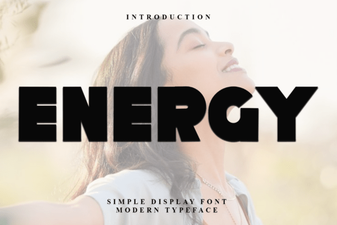 Creative Project Ideas Using Energy Font
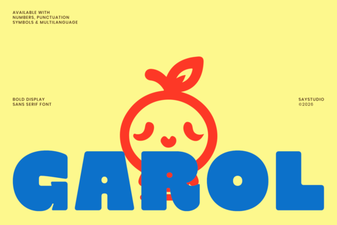 The Garol Font: Creative Uses for Your Design Projects
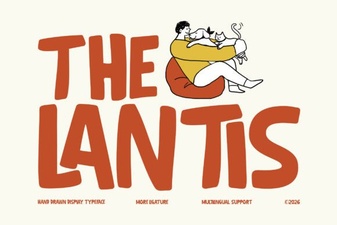 A Modern Typographic Style Guide
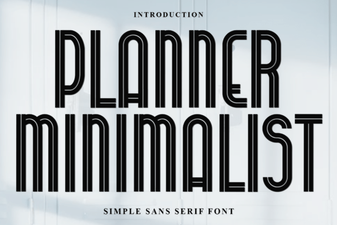 Minimalist Fonts for Clean Planner Designs
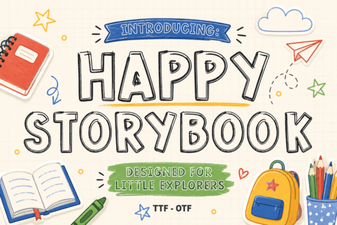 Happy Storybook Font: Create Playful & Readable Designs
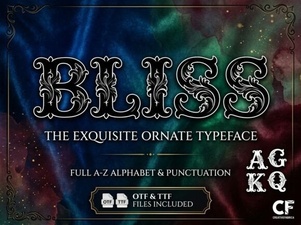 Bliss Font: Design Tips for Modern Projects