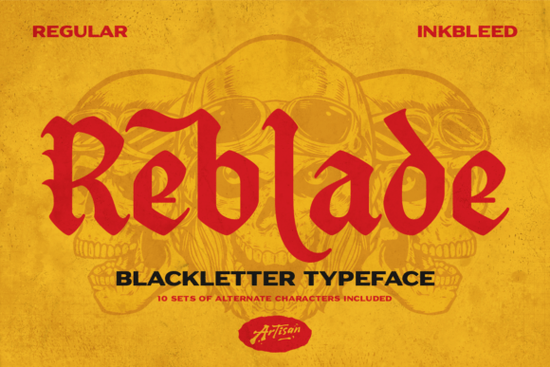
Finding the right typeface for edgy, vintage, or heavy metal-inspired projects can be tricky for both seasoned graphic designers and weekend crafters. You need something that looks authentic, not like a cheap holiday prop. The Reblade Font solves this by blending classic gothic calligraphy with modern, custom tattoo aesthetics. It gives your designs a strong, gritty character right out of the box. Whether you are designing merchandise for a local band, creating vintage-style packaging for a craft brewery, or setting up a new print-on-demand store, this typeface brings instant attitude to your layout. When building a cohesive brand identity for an edgy clothing line, it also helps to look at a wider collection of similar dark and gothic typefaces to see how different weights interact on fabric.
What makes a good blackletter font for apparel and logos?
Print-on-demand sellers and logo designers know that readability and texture matter just as much as style. A good blackletter typeface needs thick, deliberate strokes that hold up when printed on dark cotton or distressed materials. This specific design features sharp edges and a slightly weathered feel, which prevents the letters from blurring together on t-shirts or hoodies. For metal band logos, the sharp angles create an aggressive, memorable silhouette that looks great on album covers and stage banners.
For print-on-demand sellers using direct-to-garment printing methods, the sharp edges reproduce beautifully. However, if you are screen printing, you should ensure the negative space inside the letters is wide enough to hold ink without filling in during the squeegee pass. Always test your layout at actual print size to ensure the intricate details remain crisp.
How does this style work for tattoo and biker aesthetics?
Biker culture and traditional tattoo art rely heavily on bold, historical lettering. This typeface mimics the hand-drawn look of classic flash art and custom skin ink. The letters have a rugged, hand-crafted vibe that feels authentic to the subculture, avoiding the overly clean, digital look that plagues many modern gothic fonts.
If you are designing patches, club vests, or garage signage, the vintage look pairs perfectly with distressed textures, halftone patterns, and muted color palettes. Pairing this lettering with traditional American tattoo motifs like daggers, swallows, or roses creates a highly marketable aesthetic for sticker packs, enamel pins, and streetwear apparel.
Which projects get the best results with gothic calligraphy?
While heavy lettering is great for niche markets, it also works beautifully for contrast in mainstream design. Small businesses and creative hobbyists can use it to add a premium, artisanal feel to everyday items. Some of the most successful applications include:
- Vintage packaging: Coffee bags, craft beer labels, artisan hot sauce bottles, and beard oil boxes.
- Event posters: Music festivals, underground gigs, tattoo conventions, and motorsport rallies.
- Merchandise: Die-cut stickers, embroidered hats, and woven clothing tags.
- Signage: Bar menus, barbershop windows, food truck decals, and neon sign templates.
The key to making these projects work is restraint. Let the bold letters act as the main focal point while keeping the rest of the design clean and uncluttered.
How to pair edgy fonts with other typefaces?
Pairing a highly decorative font with the wrong secondary typeface can easily ruin a layout. Because this font has so much personality and intricate detail, it needs a quiet, simple partner to balance the composition.
- Use simple sans-serifs: A clean, geometric sans-serif works perfectly for subheadings, pricing, and body text. It provides a modern contrast to the historical feel of the headers.
- Try classic typewriters: A monospaced font adds a raw, underground zine feel to posters, flyers, and gig tickets.
- Avoid other serifs: Pairing it with another decorative or traditional serif font usually creates visual clutter and makes the text difficult to read.
Keep your secondary fonts light, widely spaced, and highly legible to let the main header stand out without competing for attention.
What should you check before sending your design to print?
Before sending your final design to the printer or uploading it to your online storefront, run through this quick checklist to avoid common production mistakes:
- Check the kerning manually, paying close attention to sharp angles and overlapping strokes that might create awkward gaps.
- Print a physical proof on regular paper to check the scale, weight, and readability from a normal viewing distance.
- Ensure your color contrast is high enough, particularly if printing light text on dark, heavily textured backgrounds.
- Convert your text to outlines in your vector software to prevent any missing font errors when the file is opened at the print shop.
 Creative Project Ideas Using Energy Font
 Sweetheart Monograms: Fonts for Custom Gifts
 The Garol Font: Creative Uses for Your Design Projects
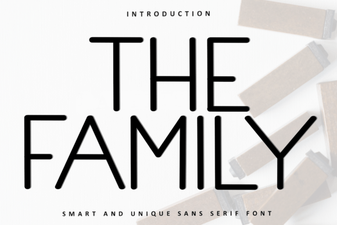 The Family Font: a Friendly Design Resource
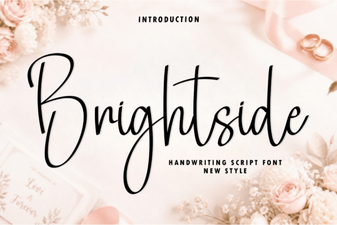 Brightside Font for Creative Projects and Design
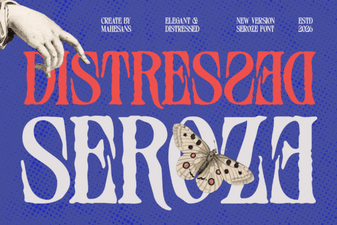 Distressed Seroze Font for Rustic Design Projects