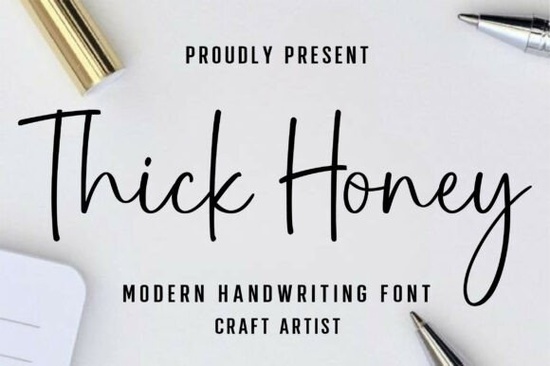
Finding the right handwritten typeface can make or break a creative project. If you want a look that feels personal but still highly legible, the Thick Honey font is a solid choice for your toolkit. It offers a clean, elegant style that bridges the gap between casual writing and professional branding. Whether you are designing merchandise for a small business or making DIY wedding invitations, this modern script typeface gives your work a polished, human touch without looking messy.
What projects work best with a modern handwritten style?
Script typefaces shine when they need to convey warmth and personality. Because this particular design features thick, consistent strokes, it holds up beautifully on physical products. Print-on-demand sellers often use it for t-shirts and coffee mugs, where thin, wispy letters might get lost during the printing process. Small business owners appreciate this legibility because customers can read the brand name instantly, even from a distance or on a small mobile screen. It is equally effective for:
- Logo design: Creating approachable brand identities for boutiques and cafes.
- Social media graphics: Making quote cards and promotional posts stand out in a crowded feed.
- Paper crafts: Designing greeting cards, scrapbooking titles, and custom stickers.
- Event stationery: Adding a romantic, personal feel to wedding invitations and save-the-dates.
The inclusion of full uppercase, lowercase, numbers, and punctuation means you will not run into missing character issues when typing out longer phrases or specific dates.
How do you pair script fonts without cluttering your design?
A common mistake in typography is using too many decorative styles at once. When working with a bold script, balance it with simpler typefaces. If you are exploring other options, you might look at a cheerful alternative like the Brightside lettering style for a playful vibe. Alternatively, if your project needs a romantic aesthetic, checking out the Beautiful Malera calligraphy could give you that delicate touch.
For the main body text, stick to a clean sans-serif or classic serif to create a strong visual hierarchy. If you want to mix two scripts, ensure they serve different purposes, perhaps using a bolder option like the Happy Parade brush script for a headline while keeping subheadings simple. You can always review the specific handwritten design details to see how its letterforms interact with different layouts.
Which file formats should you use for printing and digital design?
This typeface comes in both OTF (OpenType Format) and TTF (TrueType Format). Knowing which one to install depends on your software and project needs. Installing both versions on your computer is easy, but you only need to activate the one you plan to use to keep your font menu organized.
- OTF (OpenType): This is generally the best choice for professional design software like Adobe Illustrator or Photoshop. OpenType files support advanced typographic features and ligatures, giving you more control over the final look.
- TTF (TrueType): This format is universally compatible and works perfectly for basic word processors, Cricut Design Space, and Silhouette Studio. If you are a crafter making vinyl decals, TTF is usually the safest bet.
What should you check before finalizing your design?
Before you send your file to the printer or export it for the web, run through this quick typography checklist to ensure everything looks perfect:
- Convert your text to curves if sending to a commercial printer to prevent substitution errors.
- Check the kerning manually, as specific letters might need slight spacing adjustments.
- Test your design on the actual background color, since white text on dark backgrounds can make strokes look heavier.
- Always remember to proofread carefully before cutting vinyl or printing merchandise.
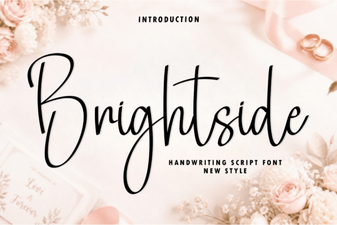 Brightside Font for Creative Projects and Design
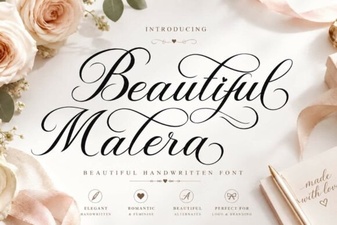 Beautiful Malera Font for Creative Projects
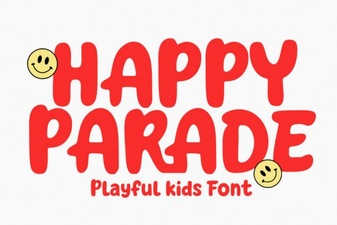 Happy Parade Font: Design Ideas & Creative Uses
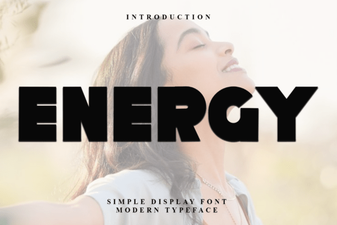 Creative Project Ideas Using Energy Font
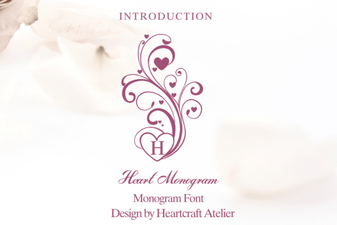 Sweetheart Monograms: Fonts for Custom Gifts
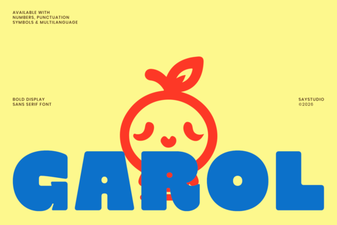 The Garol Font: Creative Uses for Your Design Projects