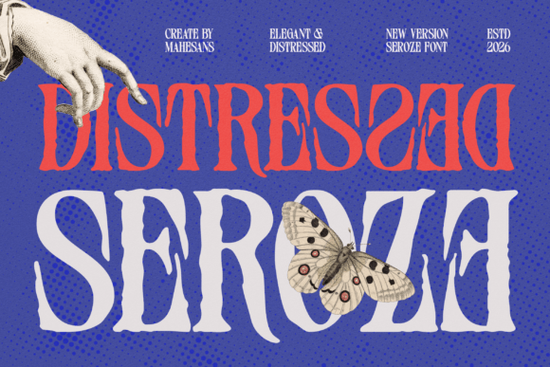
Finding the right typography can completely change the mood of a design project. If you are working on a fashion editorial, a streetwear label, or a retro-inspired brand identity, the Distressed Seroze Font offers a unique mix of elegance and raw character. This serif typeface brings a handcrafted, slightly imperfect look to your layouts while keeping the text highly readable. It is an excellent choice for designers, crafters, and small business owners who want their branding to feel authentic and memorable without sacrificing professional polish.
What makes a distressed serif font work for branding?
Distressed typography intentionally includes rough edges, faded spots, and uneven strokes. These artistic imperfections mimic the look of vintage letterpress printing or worn signage. For print-on-demand sellers and creative hobbyists, this style adds instant history and personality to a blank canvas. Instead of looking digitally generated, the letters feel tactile and grounded.
When building a luxury brand or a moody magazine cover, you want your main headings to stand out. The textured details in this typeface draw the eye immediately. If you prefer cleaner lines for certain parts of your project, you might explore other classic serif alternatives for your secondary headings or smaller text blocks. Keeping the distressed style reserved for large, impactful words ensures your design remains legible and balanced.
Where should you use this typeface in your projects?
This specific style of lettering shines in projects that need a bold, unconventional voice. It is highly effective for:
- Fashion editorials and magazine covers: It gives a high-end, avant-garde feel to large title treatments.
- Streetwear labels and album artwork: The gritty texture matches the rebellious, underground vibe of urban apparel and music branding.
- Packaging and posters: It creates a strong visual anchor on physical products, making them stand out on retail shelves.
- Social media graphics: It helps stop the scroll by providing a striking, artistic focal point in digital feeds.
While some projects require brighter display fonts for a cheerful or playful vibe, this gritty style works best for moody, sophisticated, or retro aesthetics. When browsing through this specific typeface collection, you will notice how well the rough edges scale on large formats like canvas tote bags or oversized posters.
How do you pair a rough serif with other typography?
Font pairing is crucial when working with highly textured letters. Because the main typeface already has a lot of visual weight and detail, your supporting fonts should be relatively simple. Avoid using another heavily distressed or decorative font in the same layout, as this will make the design look cluttered and difficult to read.
To balance the heavy texture, pair it with elegant secondary serifs that have a higher contrast and smoother edges. This creates a beautiful tension between the raw, handcrafted main title and the refined, polished subtext. You can also look into modern editorial typefaces if you need a clean, highly readable style for long paragraphs or pull quotes.
For print-on-demand products like t-shirts or mugs, keep the supporting text minimal. Let the main distressed word be the star of the show, and use a basic, clean sans-serif for small details like the establishment year or a short tagline.
What technical settings give the best results?
When setting up your design file, pay close attention to tracking and leading. Distressed fonts often have built-in irregularities, so tightening the letter spacing too much can cause the rough edges to overlap awkwardly. Give the letters room to breathe by using standard or slightly expanded tracking.
If you are printing on textured paper or raw cardboard, the physical material will add its own layer of grit to the final product. In these cases, you might want to slightly increase the font weight or avoid scaling the text down too small, ensuring the delicate distressed details do not get lost in the printing process.
Quick checklist for your next design project
- Define the mood: Ensure your project calls for a vintage, rebellious, or high-fashion aesthetic before applying textured typography.
- Limit your usage: Use the distressed style only for main titles, logos, or short phrases to maintain readability.
- Choose a clean pairing: Select a smooth, simple font for your body copy and secondary text to create visual balance.
- Check the scale: Test your design at the actual print size to make sure the fine distressed details remain visible and do not blur together.
- Mind the background: Place the textured text on solid, high-contrast backgrounds so the imperfect edges stand out clearly.
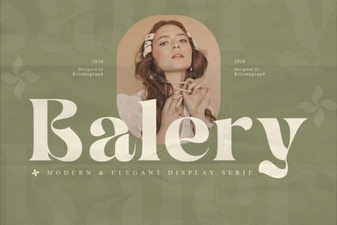 Balery Font: Elegant Scripts for Creative Projects
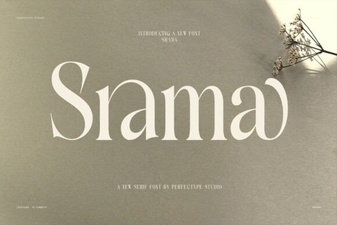 Srama Font Designs & Project Ideas
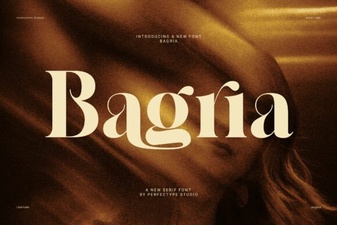 Bagria Font: Versatile Design for Modern Projects
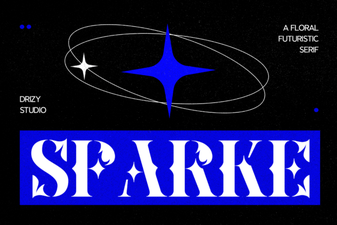 Sparke Font: a Creative Typeface for Modern Design
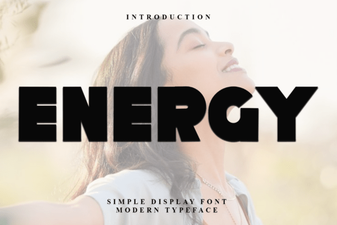 Creative Project Ideas Using Energy Font
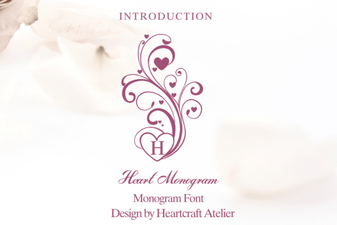 Sweetheart Monograms: Fonts for Custom Gifts