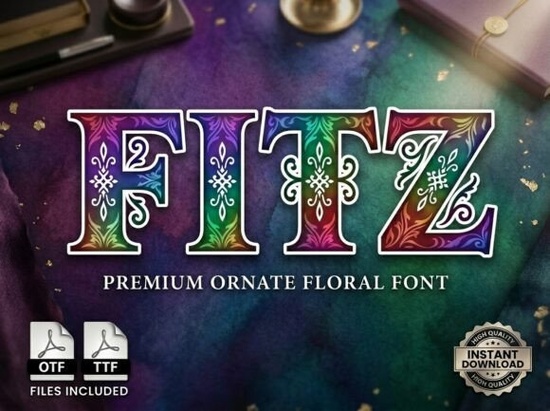
When designing wedding invitations or boutique branding, finding a script typeface that feels genuinely handwritten without sacrificing legibility is a common challenge. The Fitz Font solves this by offering a fluid, organic display style. Its interconnected characters and graceful terminal loops give projects an intimate, personalized signature look. Whether you are a print-on-demand seller creating custom mugs or a small business owner designing artisanal packaging, this typeface brings a natural calligraphic rhythm to your layouts. Finding the right balance between artistic flair and clear communication is essential for any creative project.
What makes a handwritten typeface readable?
Many script styles struggle with readability because the letters blend together too much or feature overly dramatic swashes. A well-crafted decorative typeface maintains clear letterforms while keeping a natural, effortless flow. When you explore options like this fluid display lettering, you will notice smooth curves and distinct character shapes that mimic real penmanship. The spacing is deliberate, ensuring that words do not turn into an unreadable blur. This clarity is especially important for product packaging or social media graphics where the text needs to be read quickly on smaller mobile screens. Good typography should always prioritize the reader's experience while still delivering visual appeal.
How can crafters and small businesses use script styles effectively?
Handwritten styles work best when they act as a focal point rather than the main body text. For crafters making physical goods or small businesses building a visual identity, pairing a flowing script with a clean, minimalist sans-serif creates a professional and striking contrast. This combination guides the viewer's eye exactly where you want it to go.
Here are a few practical ways to integrate these styles into your daily projects:
- Wedding Stationery: Use the flowing script for the couple's names on invitations, and pair it with a simple, elegant serif for the date and venue details.
- Artisanal Packaging: Print the brand name in a calligraphic style on kraft paper boxes, canvas tote bags, or glass jars to emphasize a handmade, premium feel.
- Social Media Quotes: Overlay short, impactful quotes in a handwritten style onto lifestyle photography for Instagram or Pinterest to increase engagement.
- Monogram Designs: If you are designing personalized gifts or embroidered apparel, you might also want to look into a romantic monogram style to complement your main typography and add a customized touch.
Which software works best for installing and using custom typefaces?
Once you download a new typeface, you need to install it on your operating system and access it in your design software. Most modern design tools support custom installations seamlessly, but knowing how to utilize advanced text features makes a big difference.
- Installation: On Windows, right-click the downloaded file and select "Install." On a Mac, double-click the file and click "Install Font" in the preview window. Restart your design software if the new letters do not appear immediately.
- Design Software: Programs like Adobe Illustrator, Photoshop, and Affinity Designer offer the best control over kerning, tracking, and OpenType features. Accessing alternate characters and ligatures through the glyphs panel is crucial for making interconnected letters look completely natural and avoiding awkward overlaps.
- Crafting Software: If you use Cricut Design Space or Silhouette Studio, you can access the installed typefaces directly from the text tool dropdown menu. Always remember to weld or attach the script letters together before sending the file to your cutting machine to ensure smooth, continuous cut lines.
What should you check before finalizing a typography layout?
Before sending your design to the printer or publishing it online, run through a quick review to ensure the text looks polished and professional. Small typographic errors can easily distract from your overall message.
Pre-publishing checklist:
- Check the kerning (the space between individual letters) to ensure no characters are awkwardly overlapping or spaced too far apart, especially around capital letters.
- Verify that the script style is strictly used for headings, names, or short phrases, keeping all body text and legal disclaimers in a highly legible, standard font.
- Test the design at its actual physical size. A layout that looks beautiful on a 24-inch monitor might be completely illegible when printed on a 2-inch product label or clothing tag.
- Ensure you have the correct commercial license if you are selling physical products or digital templates featuring the typography.
Take a moment to review your current design files and swap out any overly rigid or generic scripts for something with a more organic, human touch. Testing new lettering styles on a small mockup is the best way to see how they interact with your existing brand colors and imagery before committing to a full production run.
Learn More Sweetheart Monograms: Fonts for Custom Gifts
 Creative Project Ideas Using Energy Font
 The Garol Font: Creative Uses for Your Design Projects
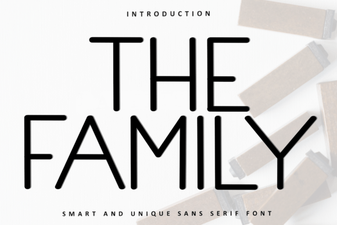 The Family Font: a Friendly Design Resource
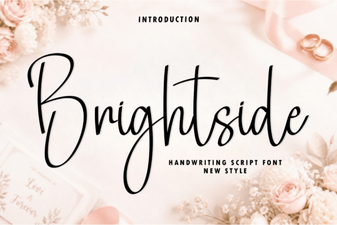 Brightside Font for Creative Projects and Design
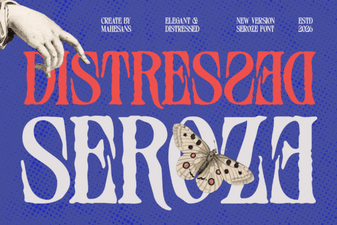 Distressed Seroze Font for Rustic Design Projects