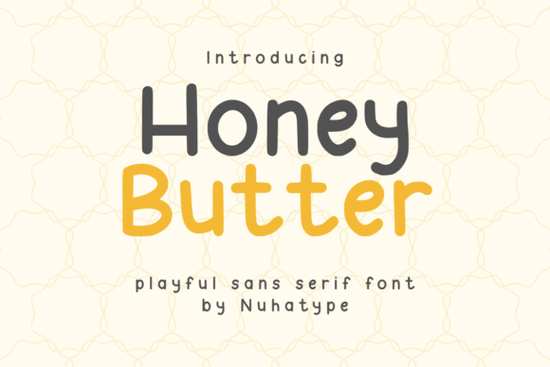
Finding the right typeface for delicate crafts and clean layouts often means looking for something simple yet expressive. The Honey Butter Font is an elegantly minimalist, thin sans serif typeface that captures the subtle charm of natural handwriting. Because of its clean lines and understated look, it works beautifully for planners, journal covers, and custom stickers. If you are a small business owner or a hobbyist looking for a versatile typeface, this design offers a simplistic allure that keeps your projects looking neat and professional without overwhelming the reader.
What makes a thin sans serif font work for Cricut and crafting?
When cutting vinyl for tumblers, mugs, or tote bags, intricate details can easily tear or peel during the weeding process. A thin sans serif style solves this problem by providing smooth, continuous lines without overly complex serifs or heavy swashes. Honey Butter features a delicate weight that cuts cleanly on most standard crafting machines, making it a reliable choice for physical products.
- Weeding is much easier: The minimalist letterforms mean fewer tiny pieces to pick out with your weeding tool.
- Readability at small sizes: Even when scaled down for small product labels or sticker sheets, the text remains clear and legible.
- Versatile material pairing: It looks fantastic on matte vinyl, holographic stickers, and smooth cardstock.
If you ever need a slightly different vibe for your vinyl projects, browsing other clean and modern typefaces can give you more options to mix and match for multi-layered designs.
How do you use minimalist fonts for KDP interiors and planners?
Creating low-content books for Amazon KDP requires typefaces that are easy to read and do not distract from the user's writing. Thin, elegant fonts are perfect for daily prompts, inspirational quotes, and section headers inside journals. They provide a calm, organized aesthetic that users appreciate when they are trying to focus on their thoughts or track their daily habits.
When designing planner interiors, whitespace is just as important as the text itself. The airy feel of a lightweight sans serif allows you to fit more text on a page without making it look cluttered. You can use it for monthly calendars, fitness trackers, gratitude journals, and mindfulness prompts. For a slightly more structured look in your KDP projects, you might also explore geometric sans serif options to use for your main body text or subheadings, creating a nice visual contrast.
Which projects benefit most from a handwriting-style sans serif?
While traditional handwriting fonts often include heavy scripts or messy brush strokes, a handwriting-style sans serif keeps things neat and highly legible. This makes it highly effective for a variety of print-on-demand and small business applications.
- Apparel and Tote Bags: Simple, relatable quotes look highly aesthetic and modern when printed on canvas or cotton fabrics.
- Product Labels: Small businesses selling handmade candles, soaps, or baked goods can use this style to give their packaging a boutique, artisanal feel.
- Social Media Graphics: Inspirational quotes and shop announcements are much easier to read on mobile screens when using a clean, thin typeface.
Sometimes, a specific project calls for a slightly more playful or casual aesthetic. In those cases, checking out trendy and casual typefaces can help you find the perfect alternative for seasonal designs or youth-oriented products. However, for everyday elegance and broad commercial appeal, sticking to this specific minimalist design ensures your creations never go out of style.
Quick checklist for your next design project
Before you finalize your next craft, POD item, or KDP interior, run through this quick checklist to ensure your typography looks its best:
- Check the contrast: Ensure your thin font stands out against the background color, especially on fabric or textured paper.
- Test the cut: If using a Cricut or Silhouette, do a small test cut on scrap vinyl to check the weeding process before committing to a large batch.
- Mind the kerning: Thin fonts sometimes need slight letter-spacing adjustments in your design software to improve overall readability.
- Pair thoughtfully: Combine it with a bold serif or a simple script for main titles, letting the thin sans serif handle the subtitles, dates, or longer quotes.
Take a few minutes to test your text on a scrap piece of material or print a single proof page for your planner. Seeing the physical result will help you finalize your sizing and spacing before you start mass production.
Try It Free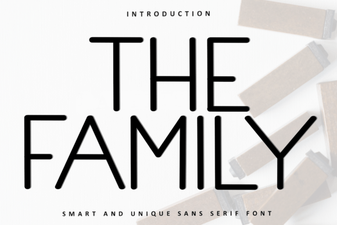 The Family Font: a Friendly Design Resource
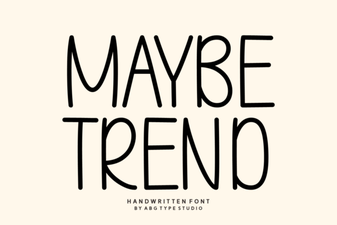 Maybe Trend Font: Free Styles for Your Designs
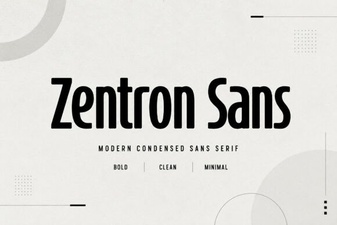 Discover Zentron Sans: Modern Fonts for Digital Design
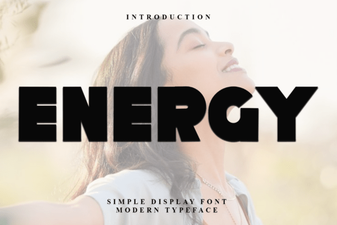 Creative Project Ideas Using Energy Font
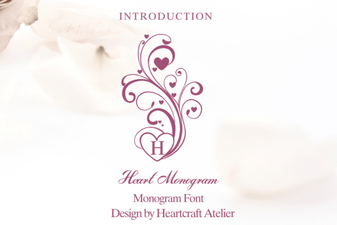 Sweetheart Monograms: Fonts for Custom Gifts
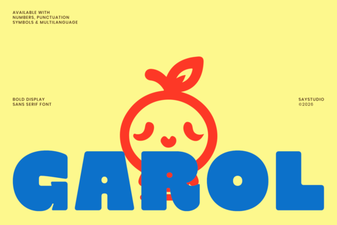 The Garol Font: Creative Uses for Your Design Projects